Additive manufacturing

Using various metal additive methods to produce products that meet customer requirements, widely used in industries such as aerospace, aviation, industry, and automotive.

  • Ability Introduction
  • High quality printing
  • Efficient printing
  • Consistency
  • Key technologies of equipment
Ability Introduction - Metal Additive Equipment

Based on the high-quality requirements of aerospace, metal additive technology is adopted to achieve the manufacturing of high-precision, lightweight, and complex shaped components of aerospace products. The equipment can form various metal materials such as titanium alloy, aluminum alloy, stainless steel, high-temperature alloy, etc. With over 40 printing devices, the forming dimensions range from 300 to 1550 work surfaces;

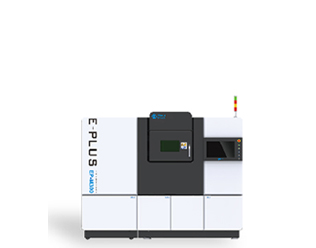
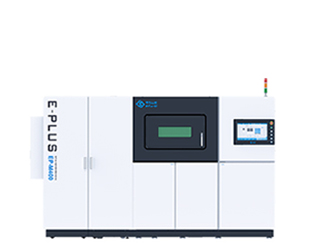
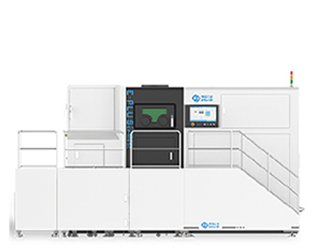
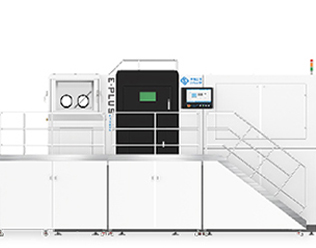
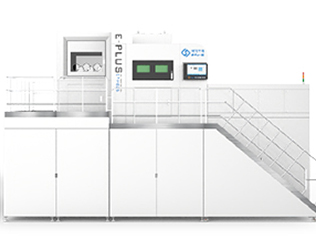
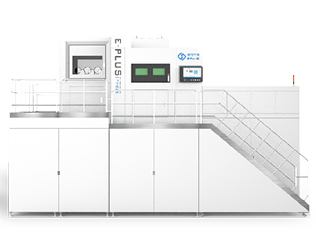
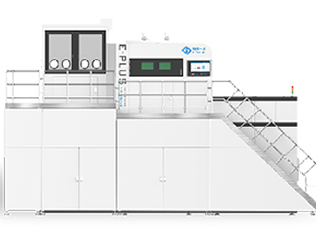
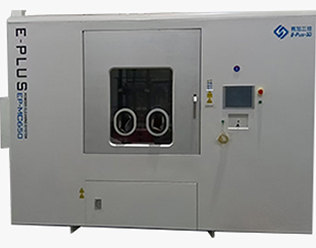
Red light metal 3D printer

Applicable materials: aluminum alloy/stainless steel/titanium alloy/high-temperature alloy, etc

  • EP-M300

  • EP-M400

  • EP-M450

  • EP-M650

  • EP-M650*1200*1500

  • EP-M825

  • EP-M1250

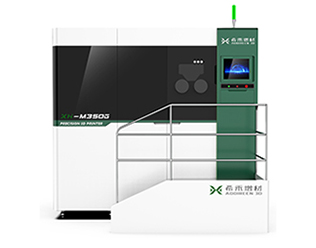
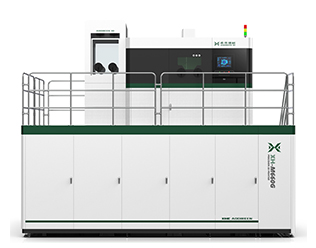
Green light metal 3D printer

Applicable materials: copper/copper alloy/high reactive materials, etc

  • XH-350G

  • XH-660G

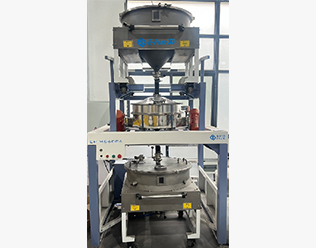
Printing auxiliary equipment (powder screening, drying, cleaning)
  • APM-400A Explosion proof Screening Machine

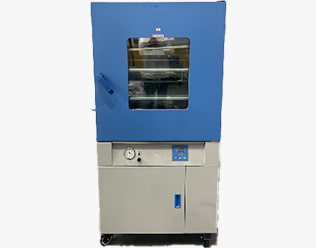
  • DZF-6050 Vacuum Oven

  • Automatic powder cleaning machine

Solution - Quality, Efficiency, Cost

Build a laser additive manufacturing process simulation, monitoring, feedback, and process optimization database for full-size components and full process flow of next-generation liquid engines


Process advantages:
(1) Small layer thickness process (25-30 μ m) for complex components with small flow channels, achieving high dimensional accuracy and good surface roughness (Representative products: thrust chamber body of commercial solid rocket attitude control engine, etc.)
(2) Medium thick process (50-60 μ m) for complex full-size components, balancing quality, efficiency, and cost (representative products: commercial satellite Hall electric push storage control modules, etc.) (3) Large layer thickness process (80-120 μ m) for large-size component blanks, low cost, and high efficiency (Representative products: Commercial rocket liquid engine methane collector, etc.)

Process optimization database
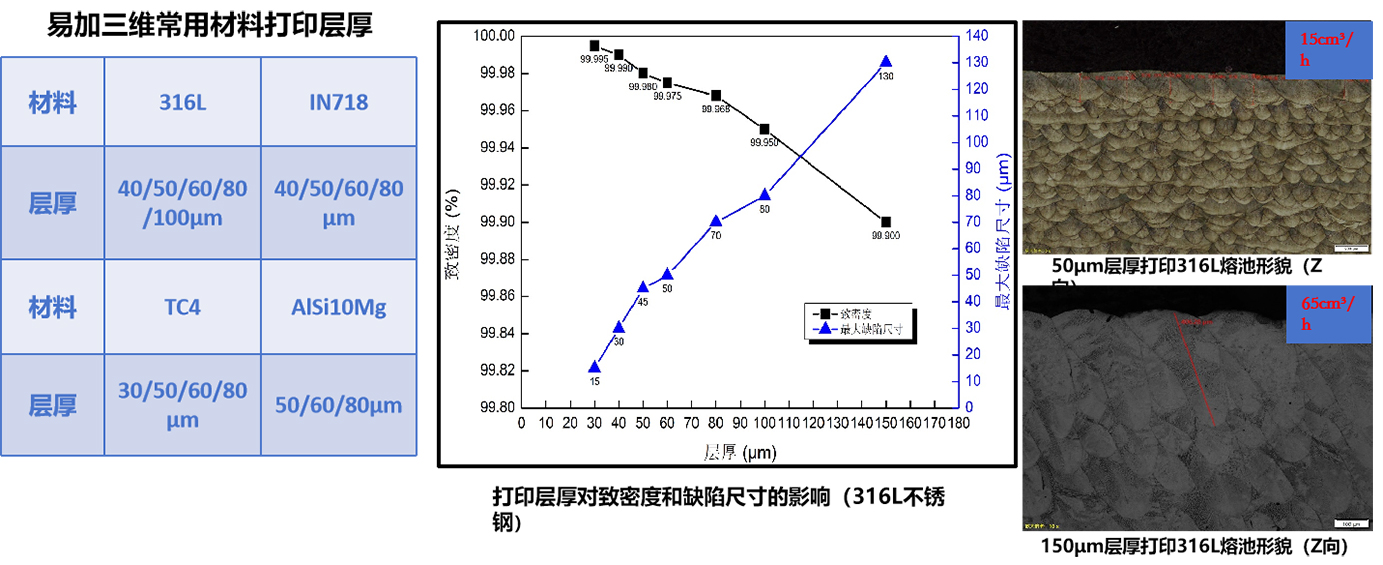
Process optional layer thickness
(μm)
Titanium alloy
TC4
Stainless steel
316L

High-temperature alloy
GH4169
Aluminum alloy
AlSi10Mg

25
30
30
30
30
50
50
50
50
80
60
60
60
120
80
80

Solution - Integrated and Lightweight

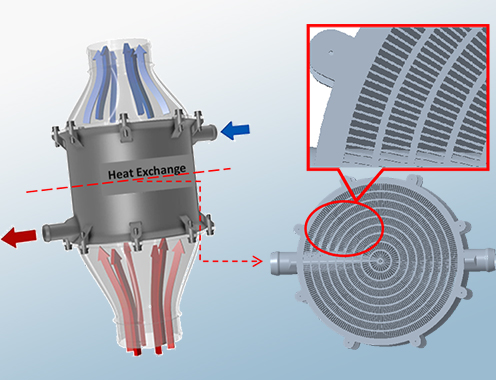
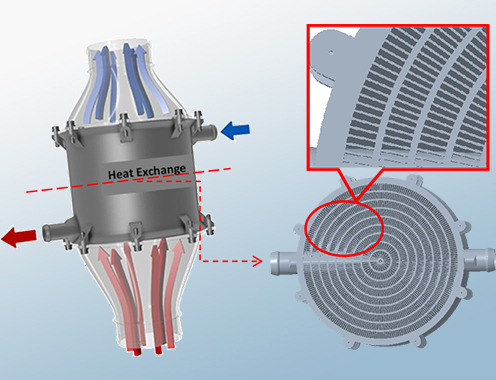
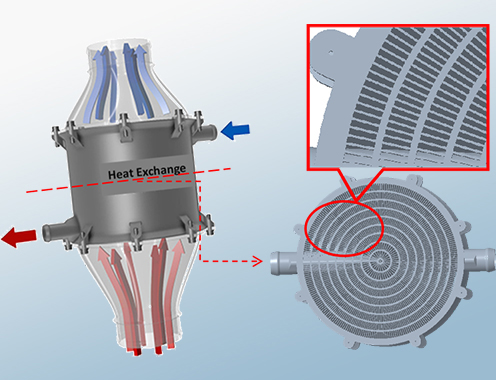
Structural optimization design (radiator, regenerative cooling structure thrust chamber, etc.)

● Determine optimization objectives such as maximum stiffness, minimum mass, or minimum volume based on known design space

● By calculating the optimal force transmission path within the material and optimizing the unit density to determine the materials that can be excavated, the optimal material distribution within the structural setting area can be obtained

● Design and optimize the structure of parts through 3D software and finite element software, and independently design hollow lattice, honeycomb or microchannel structures

● Achieve a structural weight reduction of over 40% and a heat dissipation efficiency improvement of over 50%

● The optimized design of the structure greatly improves the stability of the product compared to traditional welding methods
Material Introduction - Physical Property Table
Name of Metal Material 316L stainless steel AlSi10Mg Aluminum alloy TC4 Titanium alloy IN718 Nickel base superalloy
ultimate tensile strength 620±50MPa 345±10MPa(XY)
350±10MPa(Z)
1050±20MPa 1400±100MPa
Yield strength 560±50MPa 230±15MPa(XY)
230±15MPa (Z)
1000±20MPa 1150±100MPa
Hardness 85HRB -- -- 47HRC
Elongation at break 36±4% 12±2% (XY)
11±2% (Z)
14±1% (XY)
15±1% (XY)
15±3%
Forming accuracy Small parts:±50μm
Large parts:±0.2%
±100μm ±100μm Small parts:±60μm
Large parts:±0.2%
Application direction Liquid rocket nozzle, etc Engines that require an oxygen environment, such as pump wheels and volutes Satellite electric propulsion gas cylinder and rocket thrust chamber body, etc Engine structural components, assembly rings, needle plugs, sealing elements, etc

*The above material properties are test values for "heat-treated" metal additive workpieces.

High quality printing - achieving density

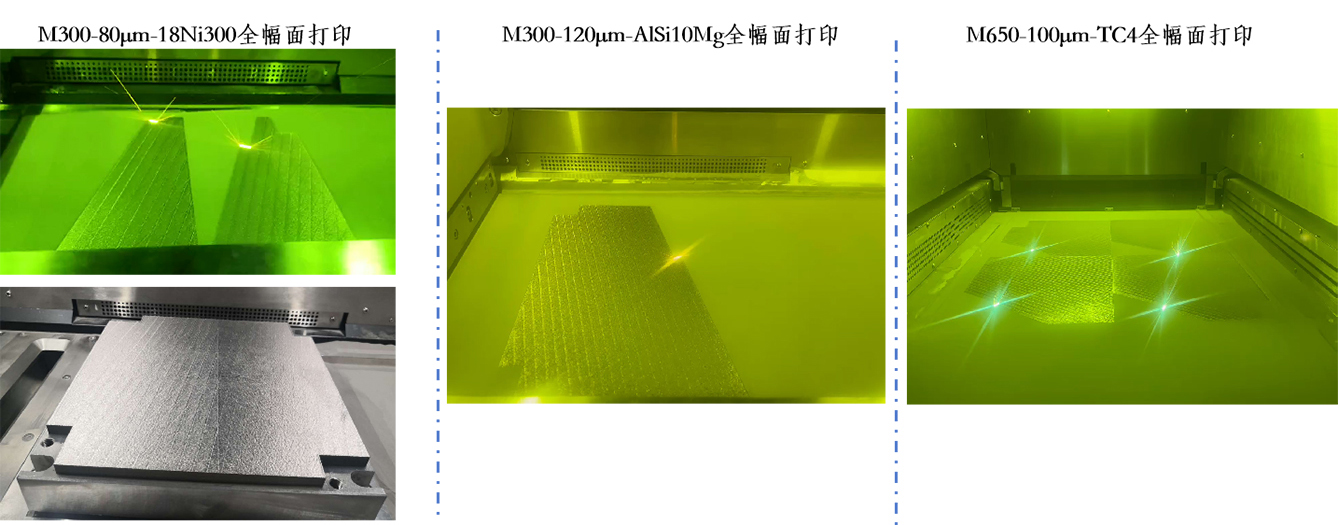
High efficiency printing - large layer thickness

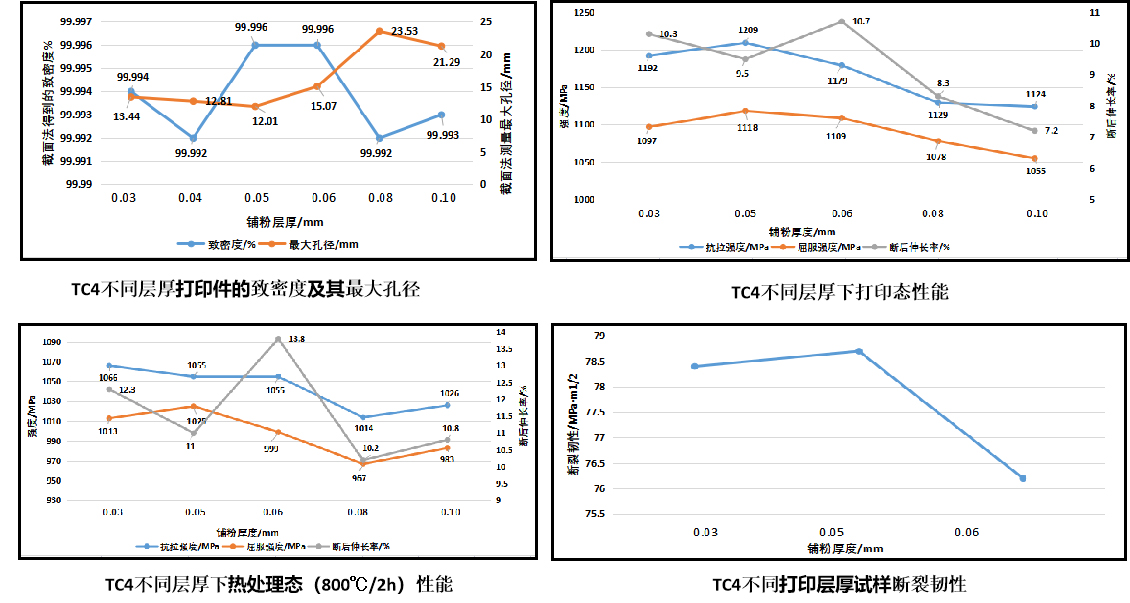
Mechanical properties of large layer thickness full format printing

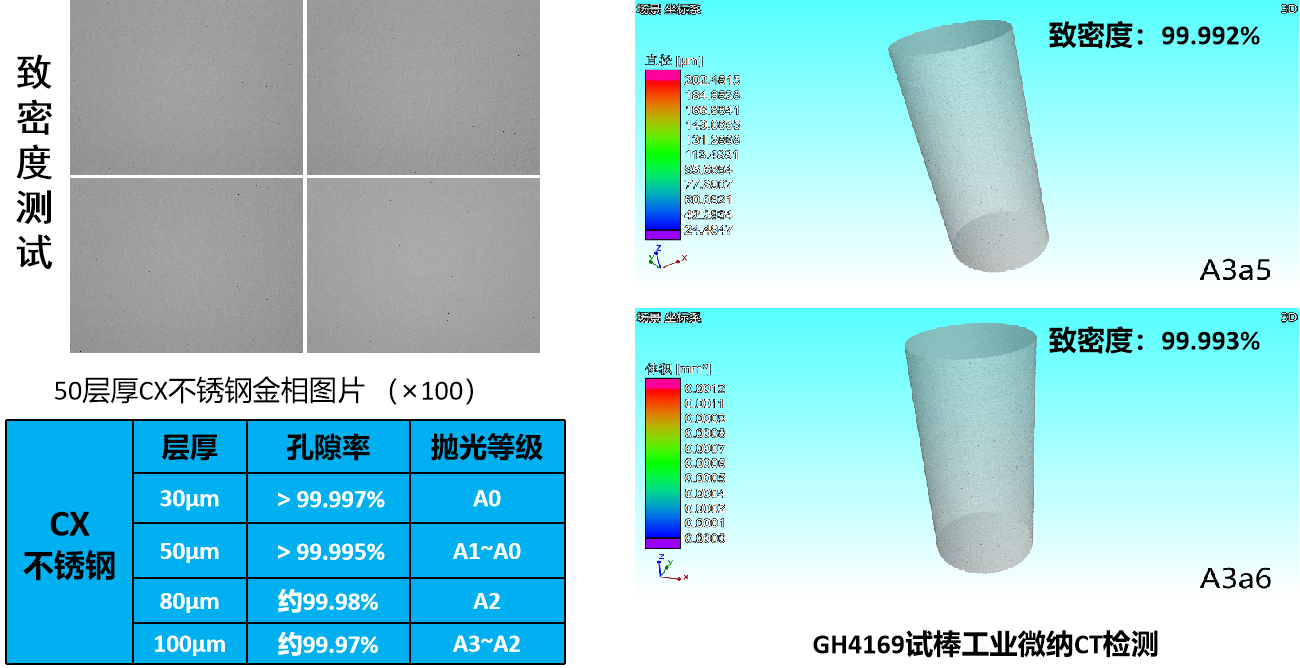
Taking TC4 as an example, by optimizing the beam quality, airflow field, printing parameters, and scanning strategy, a density of over 99.98% can be achieved for layer thicknesses ranging from 30-100 μ m.

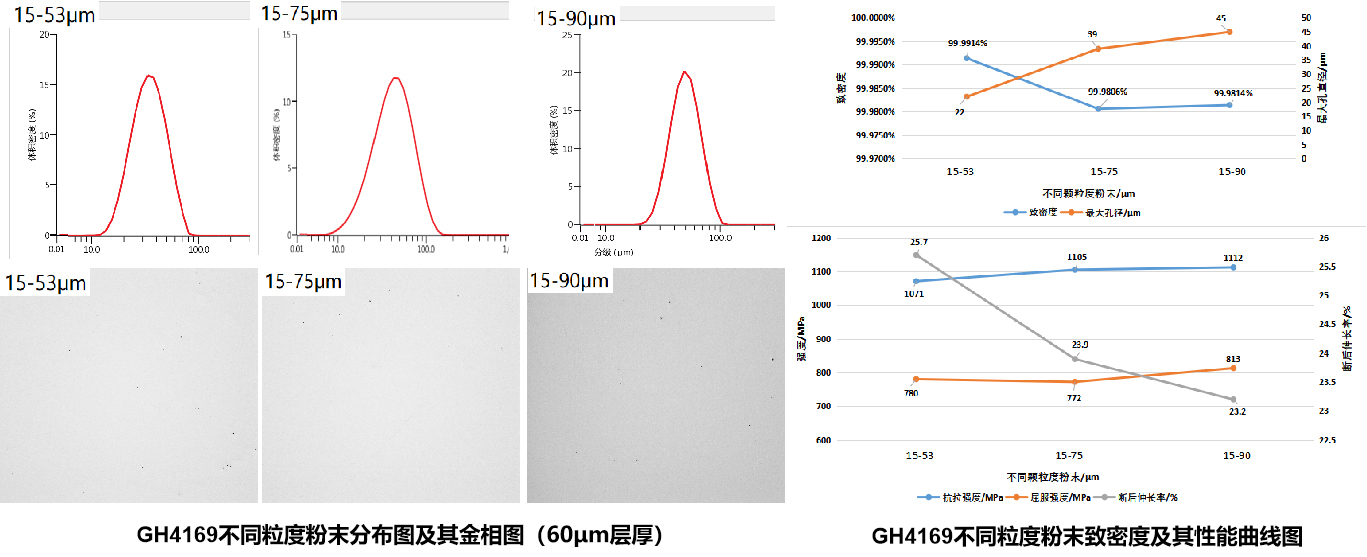
Application of wide particle size range powder

By increasing the range of powder particle size distribution while ensuring print quality and performance, printing costs can be reduced.

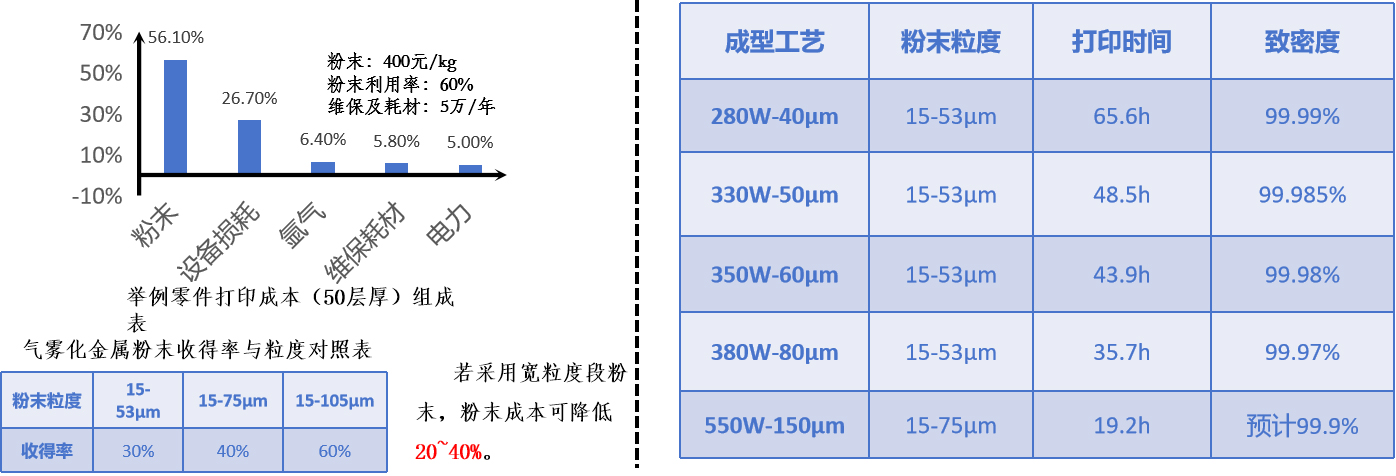
Cost Analysis of High Efficiency Thick Layer Printing

The application of large layer thickness will bring significant cost reduction. Taking M260 single laser as an example, if printing a GH4169 solid part (net weight 6.4kg) with a diameter of 100 × 100 high, The direct printing costs (mainly including powder, equipment losses, electricity, argon gas, maintenance, and consumables) are as follows:

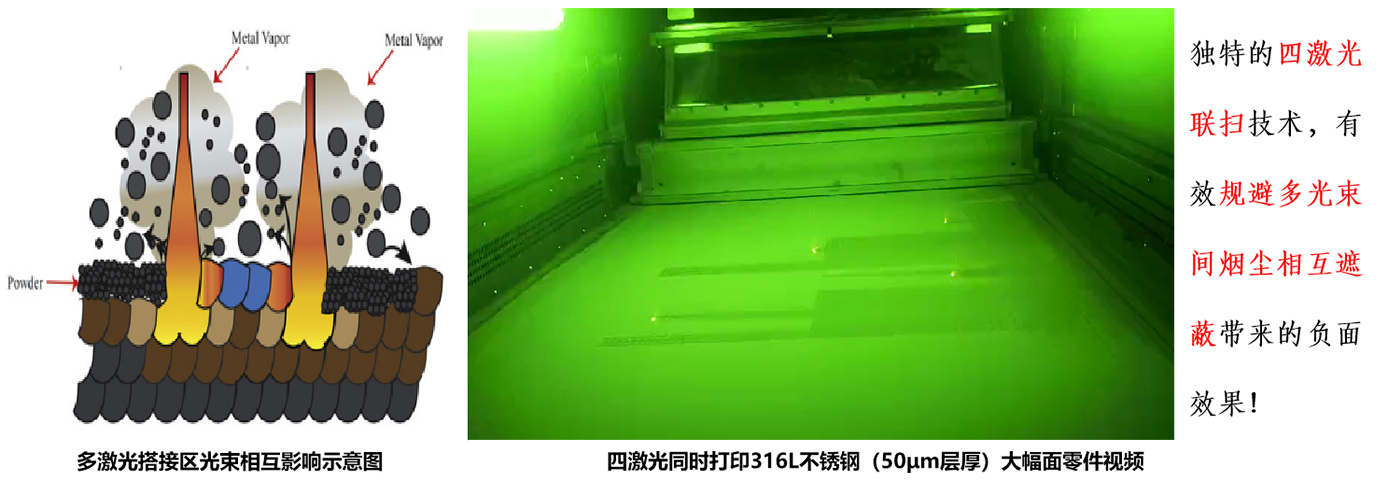
High efficiency printing - multi laser

Efficient and high-quality multi laser scanning technology

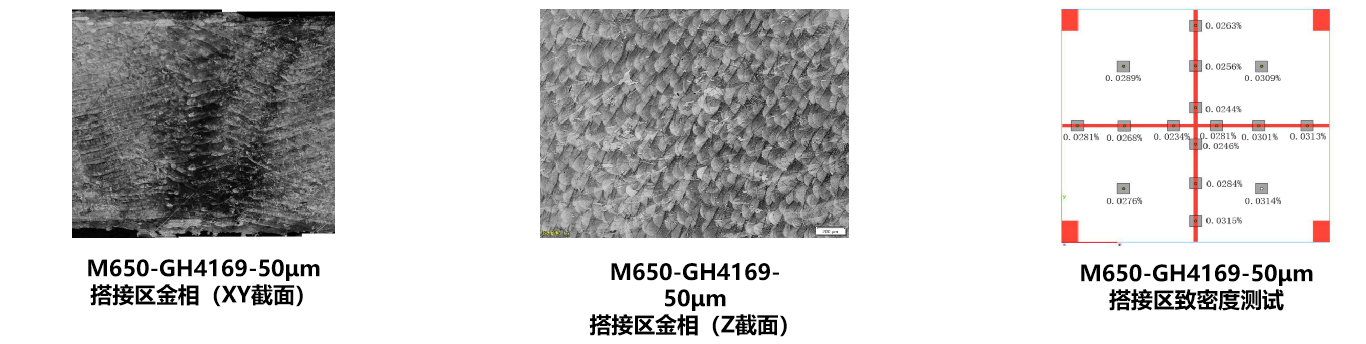
Density in multi laser splicing area

Multi laser splicing accuracy

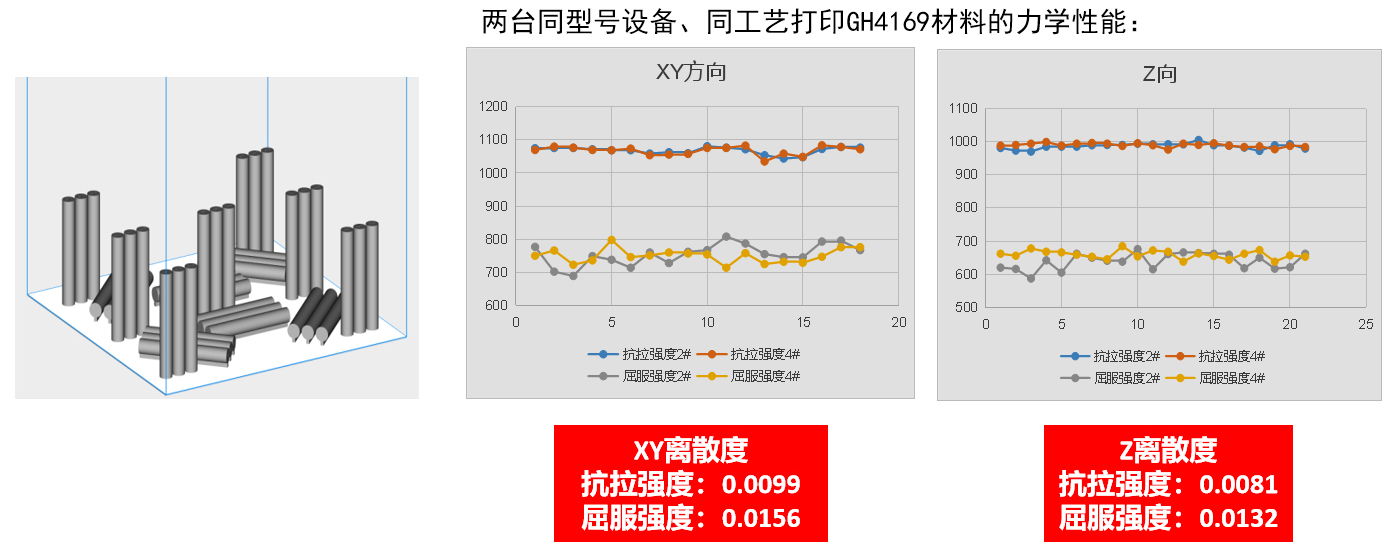
Consistency - Mechanical Properties

Uniformity test of mechanical properties

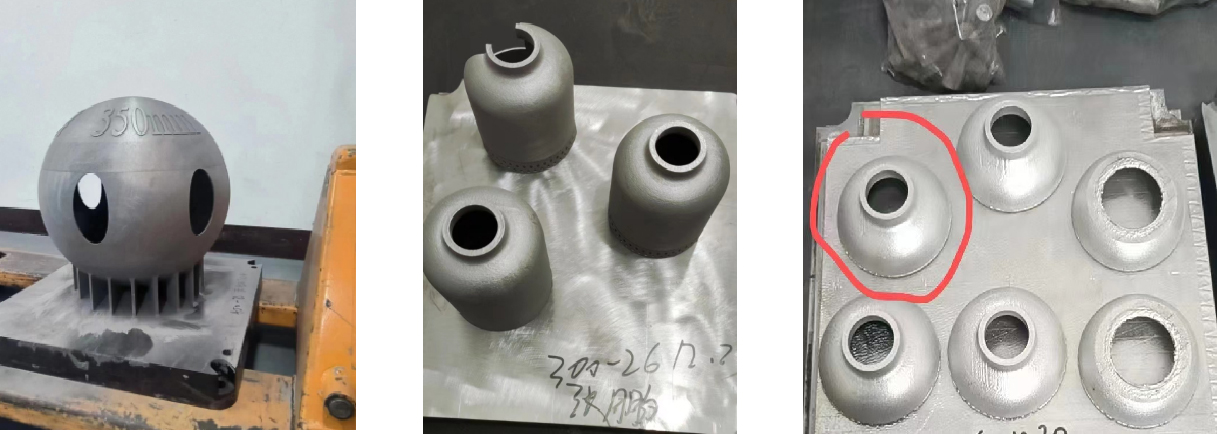
Consistency - Full Format Printing

Large layer thick full format printing

Unsupported printing process

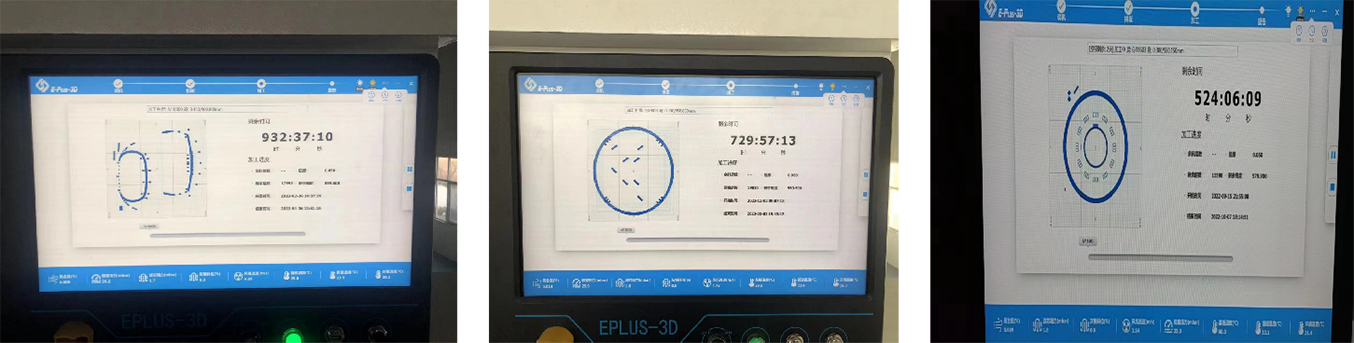
Continuous printing time of over 900 hours

Key technical support for equipment - intelligent software

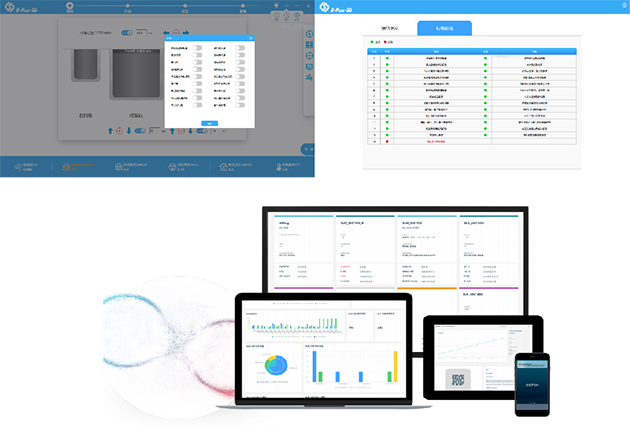
Control software
Easy to operate, foolproof 'one click printing' Intelligent calculation of powder demand;
Intelligent state monitoring;
Real time feedback of alarm information;
The processing report automatically records the processing status.
IoT Smart Factory
Real time monitoring of the central panel; Data material analysis, production capacity report, and real-time query of production capacity measurement parameters, such as comprehensive production efficiency, output, qualification rate, equipment utilization rate, and estimated material usage.

Key technical support for equipment - online monitoring

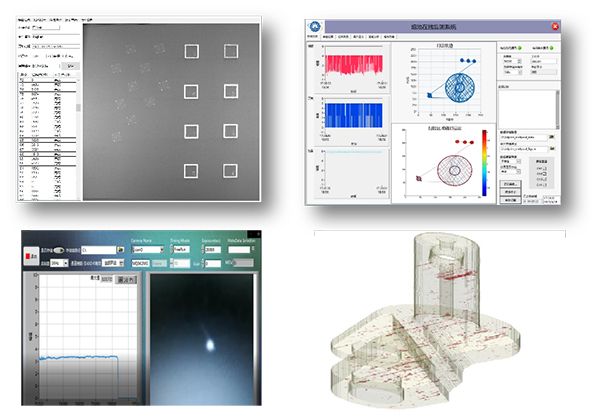
Video surveillance (high-definition industrial camera)
Process monitoring system functions
Powder bed monitoring module
Molten pool radiation intensity monitoring module
Molten pool morphology monitoring module
Laser power monitoring module

Copyright · Jiangsu Up Looking Aerospace Equipment Technology Co., Ltd 苏ICP备2025167580号